Understanding the psychological impacts of gambling behavior
The Nature of Gambling Addiction
Gambling addiction is a complex psychological issue that affects individuals on multiple levels. It often begins with casual gambling, which may seem harmless at first. However, the thrill of winning can create a cycle of behavior that leads to compulsive gambling. This behavior is driven by various psychological factors, including the release of dopamine, a neurotransmitter associated with pleasure and reward. The anticipation of winning can overshadow the negative consequences, leading individuals to continue gambling despite significant losses. Many people also find engaging at real money online casinos can amplify this thrill, making the cycle even harder to break.
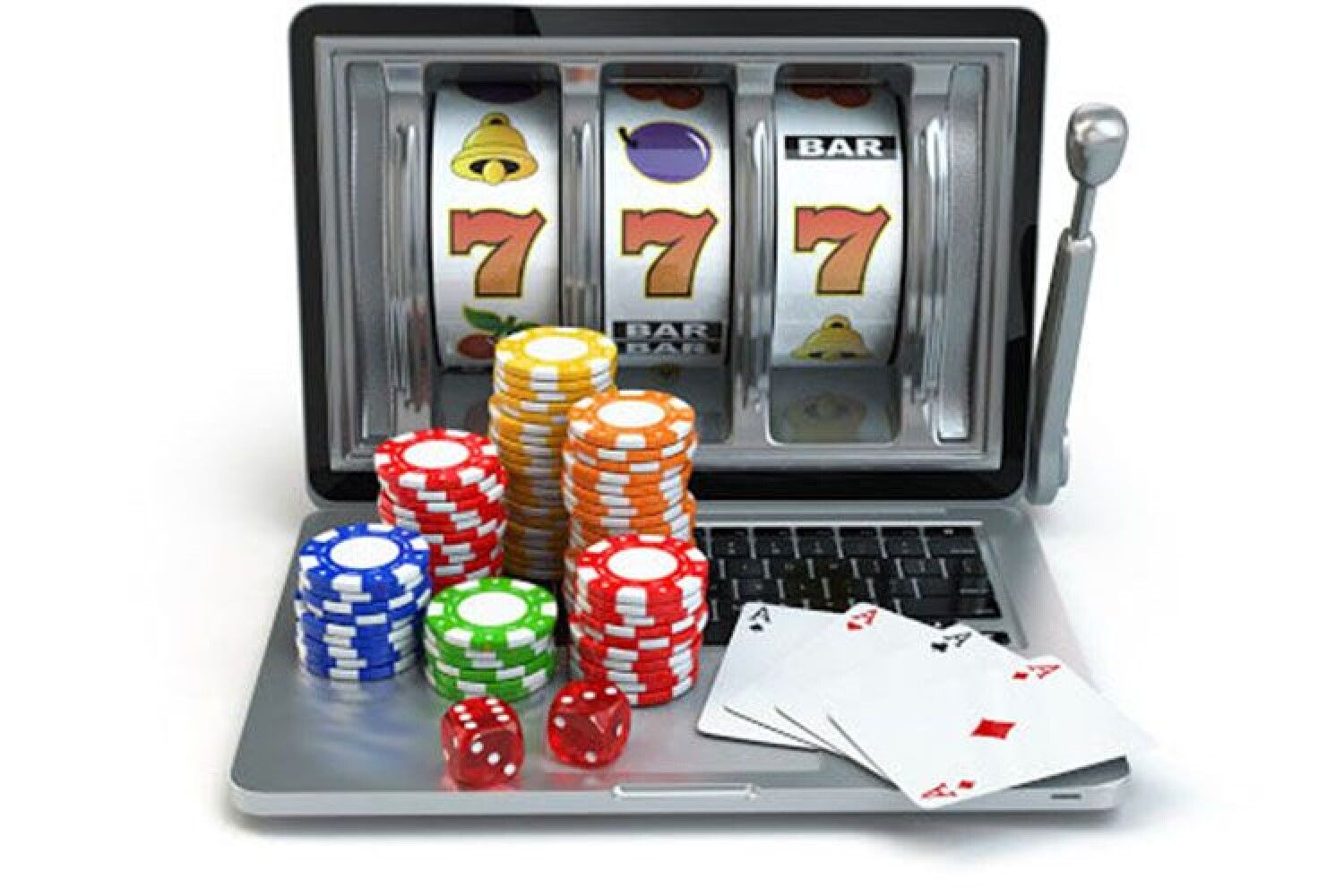
This addiction is often rooted in underlying mental health issues, such as anxiety or depression. For many, gambling serves as a temporary escape from life’s pressures and stresses. Over time, however, this coping mechanism can evolve into a destructive cycle, exacerbating mental health problems and leading to a reliance on gambling as a primary source of emotional relief.
Cognitive Distortions in Gambling
Cognitive distortions are common among individuals who engage in gambling behavior. These distortions include beliefs such as the illusion of control, where gamblers believe they can influence the outcome of games of chance. This mindset can lead to increased betting and the dismissal of statistical realities, such as the house edge in casino games. Gamblers often focus on their wins while downplaying or forgetting their losses, reinforcing a cycle of gambling behavior.
The Emotional Toll of Gambling
The emotional impacts of gambling can be profound and far-reaching. Individuals may experience feelings of guilt, shame, and anxiety as their gambling behavior spirals out of control. These emotions can lead to strained relationships with family and friends, often causing isolation and loneliness. The stigma associated with gambling addiction further complicates these emotional struggles, as individuals may fear judgment and seek to hide their behavior.
Strategies for Coping and Recovery
Understanding and addressing gambling behavior requires a multifaceted approach. One effective strategy is cognitive-behavioral therapy (CBT), which helps individuals identify and challenge cognitive distortions associated with gambling. By restructuring negative thought patterns, individuals can develop healthier attitudes toward gambling and better manage urges. Additionally, support groups can provide a sense of community and shared experience, helping individuals realize they are not alone in their struggles.

Conclusion: The Importance of Awareness
Understanding the psychological impacts of gambling behavior is essential for prevention and recovery. By recognizing the complexities of gambling addiction, individuals can better navigate their emotional landscapes and seek help when needed. Awareness of cognitive distortions and emotional tolls is key in addressing these behaviors effectively.
No comments yet.